SpeedForThee
Greenie N00B Member
Year/Make/Model: 2008 Mazdaspeed3
Mileage: 108k
Location: WI
Concern: Fuel pressure drops to in-tank pump pressure while driving
DTC's: None
Modifications: Autotech HPFP internals
ECU/Tuning Software: Accessport V1 (used only for datalogging when in need)
Tuner: Stock
Is the concern intermittent? Very frequent
Can you duplicate the concern? Simply by driving around
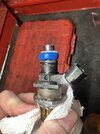
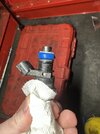
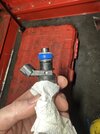
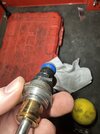
Recent Repairs: HPFP internals, Corksport O-ring kit, CWTurbo injectors with Overspeed seals and GB O-rings
Correction: Double checked injector job, recleaned entire HPFP and internals, swapped spill valve
Long time lurker, first time poster here!
- Two weeks ago I picked up my car from storage and installed Autotech HPFP internals along with Corksport's O-ring kit, everything was cleaned with Naphtha and lubed with Redline as per the forum wizards.
- I then drove the car 500 miles home without a single problem.
- I parked the car for a few days and got around to swapping in some cleaned/flow tested injectors from CWTurbo along with Overspeed seals and GB manufacturing O-rings.
- I replaced all gaskets along the way, however I did not replace the HPFP line to fuel rail O-rings as it seemed to be in good shape
- Now then... the car idles fine with HPFP actual at ~430psi. I can blip the throttle and it'll climb to ~1800psi as it should. Once I get driving the fuel pressure consistently stays above 1000psi as it should... until it doesn't.
- It seems if there's any load on the engine (slightly increased throttle or even going up a small hill) the HFPF actual immediately drops to ~60 psi and remains there until I let off the throttle. KOEO pressure reads at 60psi.
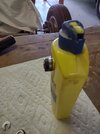
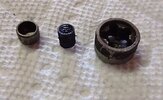
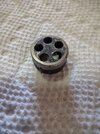
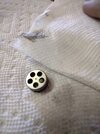
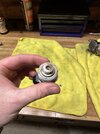
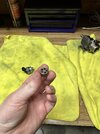
- I've gone back and double checked my work on the injector job and found nothing leaking, no fuel smells, nothing weird. I've re-cleaned the HPFP housing and swapped spill valves with a spare I have, no change.
I really don't think it's a HPFP problem as I drove the car 500 miles home without a hiccup, I didn't have problems until I touched the injectors. I'd love to be told I'm wrong, however. I see similar posts that were solved with a new spill valve but I don't seem to have that much luck. Is there anything past the HFPF that could cause rail pressure issues? I have some logs to attach but I can't seem to find the correct USB cable for this dinosaur of an APv1 so I'll have to go out and buy one.
Mileage: 108k
Location: WI
Concern: Fuel pressure drops to in-tank pump pressure while driving
DTC's: None
Modifications: Autotech HPFP internals
ECU/Tuning Software: Accessport V1 (used only for datalogging when in need)
Tuner: Stock
Is the concern intermittent? Very frequent
Can you duplicate the concern? Simply by driving around
Recent Repairs: HPFP internals, Corksport O-ring kit, CWTurbo injectors with Overspeed seals and GB O-rings
Correction: Double checked injector job, recleaned entire HPFP and internals, swapped spill valve
Long time lurker, first time poster here!
- Two weeks ago I picked up my car from storage and installed Autotech HPFP internals along with Corksport's O-ring kit, everything was cleaned with Naphtha and lubed with Redline as per the forum wizards.
- I then drove the car 500 miles home without a single problem.
- I parked the car for a few days and got around to swapping in some cleaned/flow tested injectors from CWTurbo along with Overspeed seals and GB manufacturing O-rings.
- I replaced all gaskets along the way, however I did not replace the HPFP line to fuel rail O-rings as it seemed to be in good shape
- Now then... the car idles fine with HPFP actual at ~430psi. I can blip the throttle and it'll climb to ~1800psi as it should. Once I get driving the fuel pressure consistently stays above 1000psi as it should... until it doesn't.
- It seems if there's any load on the engine (slightly increased throttle or even going up a small hill) the HFPF actual immediately drops to ~60 psi and remains there until I let off the throttle. KOEO pressure reads at 60psi.
- I've gone back and double checked my work on the injector job and found nothing leaking, no fuel smells, nothing weird. I've re-cleaned the HPFP housing and swapped spill valves with a spare I have, no change.
I really don't think it's a HPFP problem as I drove the car 500 miles home without a hiccup, I didn't have problems until I touched the injectors. I'd love to be told I'm wrong, however. I see similar posts that were solved with a new spill valve but I don't seem to have that much luck. Is there anything past the HFPF that could cause rail pressure issues? I have some logs to attach but I can't seem to find the correct USB cable for this dinosaur of an APv1 so I'll have to go out and buy one.